Business Name: BeeHive Homes of Abilene
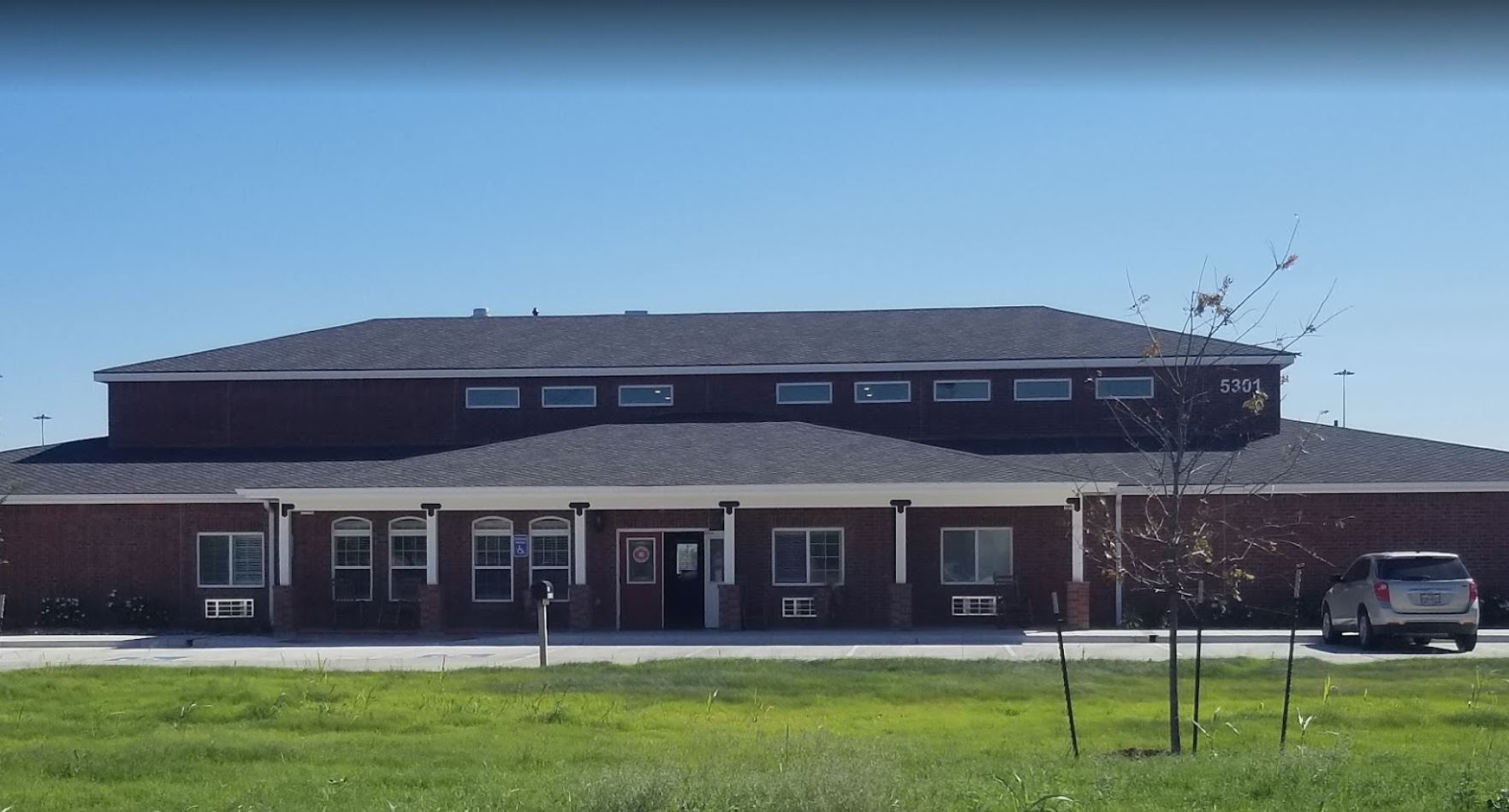
Address: 5301 Memorial Dr, Abilene, TX 79606
Phone: (325) 225-0883
BeeHive Homes of Abilene
BeeHive Homes of Abilene care is ideal for those who value their independence but require help with some of the activities of daily living. Residents enjoy 24-hour support and caring assistance.
5301 Memorial Dr, Abilene, TX 79606
Business Hours
Monday thru Sunday: 9:00am to 5:00pm
Facebook: https://www.facebook.com/BeeHiveHomesAbilene
YouTube: https://www.youtube.com/@WelcomeHomeBeeHiveHomes
Caregiving seldom starts with a grand strategy. More often, it unfolds with little acts that collect. A daughter comes by before work to help her father pick clothing. A spouse starts collaborating medications and doctors' consultations. A grand son takes over grocery runs. Then a year passes, possibly three, and the routine that when felt workable now operates on caffeine and alarm clocks. The house is safe enough, mainly. Laundry piles up. Everyone is stretched thin. This is the area where respite care belongs, though many families wait longer than they need to.
Respite care is short-term, short-term assistance for a person who needs support with day-to-day living, provided in the house or in a community setting. It gives the main caregiver time to rest, travel, or capture up on parts of life that have actually been sidelined. The individual receiving care gets trustworthy help from professionals utilized to stepping in quickly. Used well, respite safeguards both parties from burnout and preserves the relationship that matters most.
What caretakers see first
The early indicators that it is time to check out respite are rarely remarkable. They appear in the texture of every day life. A middle-aged kid starts sleeping on the couch near his mother's room due to the fact that she sundowns and wanders in the evening. A spouse who prides himself on perseverance feels flashes of irritation while helping with bathing. A sister finds herself calling in sick to work after another night of ferreting out missing out on medications. These are not failures, they are signals that the workload has actually surpassed one person's sustainable capacity.
One strong indication is the drift from proactive care to consistent crisis management. When the week is a string of near-misses and last-minute fixes, the system needs support. Missed out on meals, medication mistakes, falls without severe injury, and avoided therapy appointments are all concrete signs. The individual receiving care may also begin to reveal the stress: decreased hunger, weight loss, sleep disturbance, dehydration, or heightened confusion. Those modifications typically reflect irregular regimens, which respite can help stabilize.
Another sign comes from outside. If a physician, nurse, or physiotherapist recommends additional support, take it as a gift. Clinicians recognize patterns of caretaker tiredness and patient decline earlier than households do. I have beinged in living rooms where an uncomplicated weekly respite visit turned a spiraling situation into a stable one within a month. The caregiver slept. The client ate on time. Your house silenced. Small changes worked due to the fact that care was shared.
What respite care actually looks like
Respite is a versatile category. It can be two hours on a Tuesday or three weeks in a certified community. Done in your home, respite might imply a home health aide comes twice a week for bathing, meal prep, and friendship. It may involve an adult day program where your mother sings with a group, consumes lunch, and returns home at 4, tired in the excellent way. In a community setting, respite can be a short-term stay inside an assisted living or memory care residence. The person moves in for a set duration, typically a few days to a couple of weeks, with access to meals, help, and activities.
Each option has a character. Home-based respite preserves familiar environments and routines. Adult day programs include social connection and structured activities without an over night stay. Short-term stays in assisted living or memory care offer the deepest protection and can deal with more complex care needs, consisting of dementia-related habits or mobility obstacles that need two-person support. Households sometimes use a mix: a weekly adult day program to anchor the schedule and a couple of home visits to handle showers and laundry, then a short neighborhood stay when the caretaker takes a trip or needs surgery.
The finest fit depends upon the individual's needs, the caretaker's bandwidth, and the long-term plan. If you believe a relocate to assisted living within the year, a two-week respite stay can serve as a low-commitment test drive. If the goal is to maintain the existing home setup with much better rest for the caregiver, a consistent weekly block of at home respite might make the difference.
The turning point for memory loss
Cognitive modifications complicate everything, from bathing to medication management. Families caring for somebody with Alzheimer's illness or another dementia typically reach the point of needing respite earlier, partially since the care is constant. Wandering, repeated concerns, refusal of care, and sleep turnaround are day-to-day realities for many families managing amnesia in the house. Respite supplies structure and trained hands that can lower the temperature level in the home.
Adult day programs tailored to memory care can be particularly practical. Staff comprehend redirection methods, can rate activities to match attention periods, and understand when to take a quiet walk instead of push for participation. In the evenings, you might see less agitation spikes just since the individual's day had a foreseeable rhythm and appropriate stimulation. If behaviors are more intricate, short-term stays in a memory care neighborhood can offer the safety and skill set needed. Doors are protected, personnel ratios are tighter, and the environment is developed for orientation and calm.
A common worry is whether an individual with dementia will adjust to a new setting for short stays. Adjustment differs, however familiarity helps. Duplicating the same adult day program on the same days, or reserving respite in the same community, develops recognition. Bring preferred objects, short playlists, a familiar blanket, and a short life story sheet for personnel to recommendation. I have actually viewed a resident calm right away when a staff member welcomed him with the name of his old pet dog and asked about the bait store he once ran. Those information matter.
The caretaker's health belongs to the care plan
Caregiving is physical labor layered with emotional caution. Even skilled professionals rotate shifts for a reason. In the house, that rotation hardly ever exists. If the caregiver's blood pressure is creeping up, if they feel lightheaded when standing, or if they have postponed their own medical consultations, the strategy is currently unsteady. Sorrow contributes too. Caring for a spouse whose personality is changing or for a moms and dad who can no longer acknowledge you is a peaceful, continuous loss. Rest is a requirement for patience.
I try to find three health flags in caretakers: persistent sleep deprivation, musculoskeletal strain, and anxiety or depression that does not raise in between jobs. If any two of those are present, respite is not optional, it is needed. A foreseeable day of relief each week does more than refill a tank. It changes how the rest of the week feels due to the fact that there is a horizon. When the body thinks a break is coming, it can sustain the difficult hours much better and often handle them more safely.
Cost, protection, and the math of peace of mind
Families frequently postpone respite since they presume it is unaffordable. The actual numbers differ by area, service type, and level of care needed. Home care agencies normally costs by the hour with everyday minimums, while adult day programs charge a day-to-day or half-day rate that includes meals and activities. A short-term remain in assisted living or memory care is typically priced per diem and might consist of a one-time setup charge. In numerous locations, adult day programs wind up being the most cost-effective structured alternative for a number of days a week.
Insurance protection is patchy. Long-term care insurance coverage sometimes compensate for respite, especially if the policyholder currently qualifies for advantages based on assistance with activities of daily living. Medicaid waivers in some states cover adult day or a limited variety of respite hours in the house. Medicare does not usually pay for nonmedical respite, though hospice clients can receive a restricted inpatient respite advantage. Veterans may have access to programs through the VA that balance out costs for adult day health care or at home assistance. It deserves a few calls to a city Agency on Aging and to benefits organizers. I have actually seen households discover partial funding they did not understand existed, which typically alters a "possibly later on" into a "let's schedule this."
There is also the concealed expense of not resting. A caregiver injury or an avoidable hospitalization for the individual receiving care eliminate months of conserved funds in a week. The objective is not to spend delicately, it is to invest in stability where it counts. Start modestly, determine the impact, then adjust.
How to get ready for your first respite experience
Trying respite once and having a rocky first day prevails. The trick is to prepare well and devote to a brief series, not a single trial. Think about it as training a new group to support your family.
- Gather the fundamentals: existing medication list, medication administration directions, allergy information, emergency contacts, and a concise regular summary for early morning, meals, and bedtime. Consist of a copy of health care regulations if relevant. Write a one-page "about me": former profession, pastimes, preferred foods, music, comfort items, and specific communication suggestions that work. Add 2 or 3 stress sets off to avoid. Pack familiar products: a sweater with a recognized texture, a labeled picture book, a favorite mug, or headphones with a brief playlist. Little, concrete comforts anchor brand-new settings. Start with predictable schedules: very same days, same times, for a minimum of 3 weeks. Consistency assists both the care recipient and the caregiver's nervous system adapt. Debrief after each session: ask personnel what went well and what did not, and change the plan. Share a little success with the person receiving care so they feel part of the solution.
For at home respite, a short warm handoff matters. If possible, exist for the first 20 minutes to show transfers, show where materials live, and share your shorthand for common demands. Then, leave the house. Respite is not watching, and hovering deprives everybody of the possibility to construct confidence.
Respite inside assisted living and memory care communities
Short-term stays in a community setting differ from everyday in-home support. They require more paperwork, a nurse evaluation, and clear start and end dates. This alternative shines when the caregiver needs complete coverage for travel, health problem, or major rest. Neighborhoods provide room and board, aid with bathing and dressing, medication management, and activities. In memory care, anticipate secured doors, quieter hallways, and personnel trained in dementia-specific techniques.
The intake process can feel medical, however it serves a function. Be frank about mobility, fall history, continence, and behaviors. A good neighborhood will want to match staffing to needs and put the person in a wing that fits. Ask to see a sample day-to-day schedule and a menu. Visit during an activity to notice the energy and the personnel's connection. If a neighborhood likewise provides irreversible assisted living or memory care, an effective respite stay can function as mild direct exposure. Familiar faces and floor plans make any future shift much easier on everyone.
Families often worry that a brief stay will confuse the person or cause press to move in permanently. A reputable community understands that respite has an unique purpose. Clarify at the outset that this is a specified stay, then examine together later. If the individual grows and asks to return, that is useful information for long-lasting preparation, not a defeat.
When the resistance is real
Not everyone welcomes assistance. A proud father dismisses the concept of a complete stranger in his cooking area. A partner insists this is marriage, not a task to outsource. Resistance is typical, especially the first time. The key is to frame respite not as replacement, however as reinforcement. You are still the anchor. The group is broadening so you can stay steady.
A couple of strategies lower defenses. Start little, even an hour with a caregiver presented as a "physical treatment helper" or "cooking area assistant." Set respite with something specific the individual delights in, like a short drive or a favorite tv show at a set time, so it feels like an addition rather than a subtraction. Prevent bargaining throughout a tough moment. Present the idea on a good day, mid-morning, after breakfast. If a physician or relied on professional can suggest respite straight, their authority helps. I have actually watched a hard no become a yes when a family physician said, "I require you both strong, and this is how we arrive."
Seasonal and situational triggers
Certain seasons intensify caregiving. Winter season storms make complex transportation and boost fall risk. Summer season heat raises dehydration dangers and flips sleep cycles. Vacations interfere with routines and might provoke confusion. These rhythms are not small. Plan respite with seasons in mind. Reserve extra protection throughout tax season if you are the family accounting professional, or throughout school breaks if you are also parenting. If a surgical treatment is on the calendar, line up a community remain well ahead of time, considering that medical healings frequently take longer than hoped.
There are also situational triggers that call for instant respite. A brand-new medical diagnosis that alters mobility over night, an unanticipated hospital discharge to home with new equipment, or the death of another member of the family can overwhelm even arranged families. Short-term, high-intensity respite functions as a bridge while you reset the plan.
How respite connects with the larger picture
Respite is not a commitment to assisted living or memory care. It is a tool inside a broader care technique. Over months and years, a person's needs alter. Respite can ebb and flow, increasing when a caregiver's workload spikes at work, reducing when a neighbor returns from winter season away and helps with errands. It likewise functions as a truth check. If a three-week community stay reveals that an individual requires two-person transfers and nighttime tracking, that info informs whether home remains safe with reasonable support. If the individual blooms in a community dining-room and begins eating full meals again, that suggests social factors matter more than you thought.
Families often hold onto an all-or-nothing concept of care: either we do everything at home, or we move. Respite offers a third course. Share the load, stay versatile, change. It protects relationships by providing space to breathe. And it keeps the possibility of home open longer for lots of households, precisely because it decreases exhaustion and error.
Red flags that state "do this now"
If you are uncertain whether you have actually tipped from periodic help to essential respite, a few red flags draw a clear line. When several medications are due at various times and dosages have actually been missed consistently, it is time. When the individual can not securely transfer without support and you are improvising with furnishings to prevent falls, it is time. When a dementia-related behavior like roaming or nighttime agitation puts either of you at threat, it is time. When your own mood surprises you, or you sob in the automobile before walking back into your home, it is time. Acknowledging these minutes is not surrender, it is stewardship.
Finding quality providers
Quality varies. Track record in caregiving circles tends to be earned and resilient. Start with regional voices: the social employee at the health center, your clergy leader, a next-door elderly care neighbor who has utilized adult day services, the physical therapist who checked out after a fall. Ask what went well and what did not, and why. Search for specifics: on-time personnel, constant faces instead of a consistent rotation, clear billing, supervisors who return calls, a nurse who understands the participants by name.
Interview firms and neighborhoods with practical concerns. How do you train personnel on transfers and dementia communication? What is the backup strategy if a caretaker calls out? Can the exact same caregiver return each week? What is your policy on late arrivals or cancellations? For adult day programs, inquire about staff-to-participant ratios and how they handle someone who prefers not to sign up with group activities. Visit face to face if you can, and look for little signs: clean bathrooms, posted schedules that match what you see occurring, and engaged conversation instead of background television doing the heavy lifting.
The emotional work of letting go
Even when everyone agrees respite is required, the very first day can feel fraught. I have enjoyed a caregiver being in the parking lot, type in hand, not sure what to do with flexibility after months of caution. Plan something basic for that very first block of time: a nap with the phone on loud, a walk around the lake, thirty quiet minutes in a coffee shop with a book, your own medical consultation finally kept. The act of resting can feel disloyal up until you see its impacts. The person you enjoy often returns calmer due to the fact that you are calmer. That virtuous cycle develops rely on the new routine.
For some, regret lingers. It softens with repetition and with the results in front of you. If it assists, remember that qualified experts request for backup too. Cosmetic surgeons rotate out of the operating space. Pilots take pause. Caretakers are worthy of the same respect for the limits of a human body and heart.
A useful course forward
If the indications exist, choose a little, low-risk starting point. One half-day at an adult day program. A three-hour in-home visit concentrated on bathing and meal preparation. A weekend trial at a familiar assisted living community while you visit a sibling. Set a date, put together the essentials, and commit to three attempts before evaluating. Keep notes on energy levels, state of mind, sleep, and any accidents in the days before and after each respite. You will see patterns. Adjust time windows, activities, and service providers accordingly.
Care evolves. The families who fare finest reward respite not as a last resort but as regular upkeep. They develop muscle memory for handoffs and keep a list of relied on helpers. They find out the early indications of pressure and respond before the fractures widen. Most significantly, they safeguard the relationship at the center of all of it, replacing white-knuckle endurance with a plan that holds.
Respite care is not a high-end for individuals with abundant resources. It is a useful, gentle tool for regular households bring amazing duties. Whether you use it in the house, through adult day programs, or with short-term remain in assisted living or memory care, the best assistance at the best cadence can reset the course of a year. The point is not to do everything. The point is to keep going, gradually, safely, together.
BeeHive Homes of Abilene provides assisted living care
BeeHive Homes of Abilene provides memory care services
BeeHive Homes of Abilene provides respite care services
BeeHive Homes of Abilene includes ADA-compliant showers in resident bathrooms
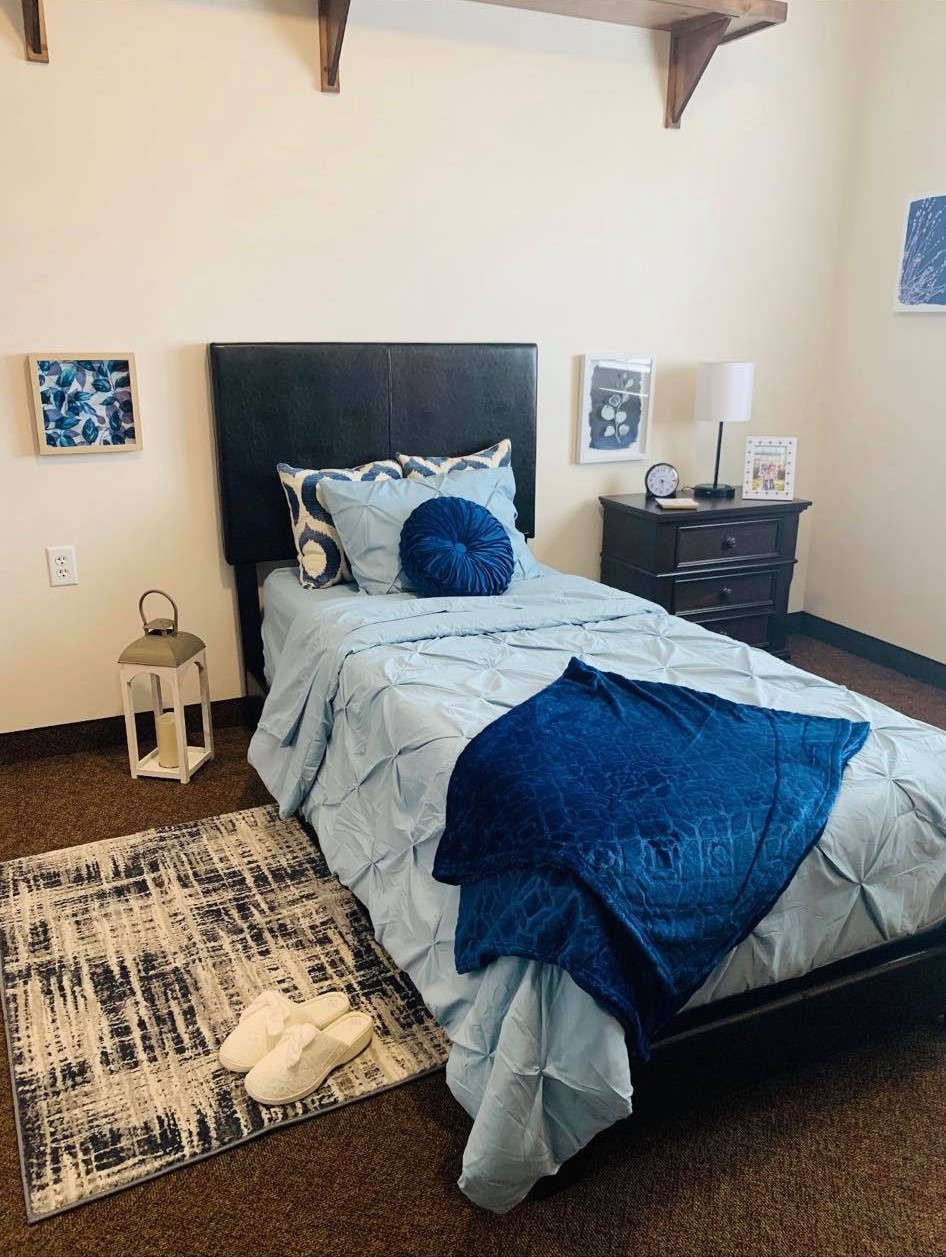
BeeHive Homes of Abilene offers private bedrooms with private bathrooms
BeeHive Homes of Abilene provides medication monitoring and documentation
BeeHive Homes of Abilene serves dietitian-approved meals
BeeHive Homes of Abilene provides housekeeping services
BeeHive Homes of Abilene provides laundry services
BeeHive Homes of Abilene offers community dining and social engagement activities
BeeHive Homes of Abilene features life enrichment activities
BeeHive Homes of Abilene supports personal care assistance during meals and daily routines
BeeHive Homes of Abilene promotes frequent physical and mental exercise opportunities
BeeHive Homes of Abilene provides a home-like residential environment
BeeHive Homes of Abilene creates customized care plans as residents’ needs change
BeeHive Homes of Abilene assesses individual resident care needs
BeeHive Homes of Abilene accepts private pay and long-term care insurance
BeeHive Homes of Abilene assists qualified veterans with Aid and Attendance benefits
BeeHive Homes of Abilene encourages meaningful resident-to-staff relationships
BeeHive Homes of Abilene delivers compassionate, attentive senior care focused on dignity and comfort
BeeHive Homes of Abilene has a phone number of (325) 225-0883
BeeHive Homes of Abilene has an address of 5301 Memorial Dr, Abilene, TX 79606
BeeHive Homes of Abilene has a website https://beehivehomes.com/locations/abilene/
BeeHive Homes of Abilene has Google Maps listing https://maps.app.goo.gl/o3Y77dWyJmnFn3QcA
BeeHive Homes of Abilene has Facebook page https://www.facebook.com/BeeHiveHomesAbilene
BeeHive Homes of Abilene has an Youtube account https://www.youtube.com/@WelcomeHomeBeeHiveHomes
BeeHive Homes of Abilene won Top Assisted Living Homes 2025
BeeHive Homes of Abilene earned Best Customer Service Award 2024
BeeHive Homes of Abilene placed 1st for Senior Living Services 2025
People Also Ask about BeeHive Homes of Abilene
What is BeeHive Homes of Abilene monthly room rate?
The rate depends on the level of care that is needed. We do an initial evaluation for each potential resident to determine the level of care needed. The monthly rate is based on this evaluation. There are no hidden costs or fees
Can residents stay in BeeHive Homes of Abilene until the end of their life?
Usually yes. There are exceptions, such as when there are safety issues with the resident, or they need 24 hour skilled nursing services
Does BeeHive Homes of Abilene have a nurse on staff?
No, but each BeeHive Home has a consulting Nurse available 24 – 7. if nursing services are needed, a doctor can order home health to come into the home
What are BeeHive Homes of Abilene's visiting hours?
Visiting hours are adjusted to accommodate the families and the resident’s needs… just not too early or too late
Do we have couple’s rooms available?
Yes, each home has rooms designed to accommodate couples. Please ask about the availability of these rooms
Where is BeeHive Homes of Abilene located?
BeeHive Homes of Abilene is conveniently located at 5301 Memorial Dr, Abilene, TX 79606. You can easily find directions on Google Maps or call at (325) 225-0883 Monday through Sunday 9am to 5pm
How can I contact BeeHive Homes of Abilene?
You can contact BeeHive Homes of Abilene by phone at: (325) 225-0883, visit their website at https://beehivehomes.com/locations/abilene/,or connect on social media via Facebook or YouTube
Redbud Park provides open green space perfect for residents in assisted living, memory care, senior care, and elderly care to enjoy a relaxing walk during respite care visits.